The Heroes Of The Table

What Happens to Your Body When You Eat Vegetables Every Day?
In a world filled with fast food, sugary snacks, and highly processed meals, vegetables often become the forgotten heroes of the dinner plate.
Yet these colorful, nutrient-packed foods have the power to transform your health in remarkable ways. From improving digestion to protecting your heart, eating vegetables every day can bring changes you may begin to notice sooner than you think.
Vegetables are rich in vitamins, minerals, antioxidants, and fiber—essential nutrients that help your body function at its best.
When vegetables become a daily habit rather than an occasional side dish, your body responds with better energy, stronger immunity, and improved overall wellness.
Let’s explore what really happens inside your body when you make vegetables a part of your everyday routine.
. Your Digestive System Works Better
One of the first things your body benefits from is improved digestion. Vegetables are naturally high in fiber, which supports a healthy digestive system.
Fiber helps food move smoothly through the digestive tract and supports beneficial gut bacteria. These bacteria play an important role in digestion, nutrient absorption, and even immune health.
Vegetables especially rich in fiber include:
Eating these regularly can help reduce constipation, promote regular bowel movements, and maintain a balanced gut microbiome.
A healthier digestive system can also lead to reduced bloating and better nutrient absorption.
. Your Heart Becomes Healthier
Vegetables are strongly linked to heart health. They contain potassium, antioxidants, and fiber, all of which help support cardiovascular function.
Potassium helps regulate blood pressure by balancing sodium levels in the body. Meanwhile, antioxidants help protect blood vessels from damage caused by inflammation and oxidative stress.
Leafy greens such as kale, spinach, and Swiss chard are especially beneficial for heart health. These vegetables contain compounds that may help improve circulation and reduce the risk of heart disease.
By eating vegetables daily, you may help lower cholesterol levels and support healthier blood pressure.
. Your Immune System Gets Stronger
Vegetables are packed with immune-boosting nutrients such as vitamin C, vitamin A, and antioxidants.
These nutrients help your body fight infections and protect cells from damage caused by free radicals. When your immune system receives these essential nutrients consistently, it becomes more efficient at defending your body against illness.
Brightly colored vegetables often contain the highest levels of protective nutrients. For example:
- Red bell peppers are rich in vitamin C
- Carrots contain beta-carotene, which supports immune health
- Sweet potatoes provide vitamin A for skin and immune function
Eating a variety of vegetables ensures your body receives a wide spectrum of protective compounds.
. Your Energy Levels Improve
Many people assume energy comes mainly from caffeine or sugar, but vegetables can provide a more stable and natural source of energy.
Vegetables contain complex carbohydrates, vitamins, and minerals that support your body’s natural energy production. Nutrients such as magnesium, iron, and B vitamins help your cells convert food into usable energy.
When vegetables replace highly processed foods, blood sugar levels become more stable. This means fewer energy crashes during the day and a more consistent feeling of vitality.
Many people who increase their vegetable intake report feeling lighter, more focused, and less fatigued.
. Your Skin May Look Healthier
Your skin often reflects what you eat. Vegetables provide nutrients that help maintain healthy skin from the inside out.
Antioxidants found in vegetables help protect skin cells from environmental damage, including pollution and UV exposure. Vitamins A and C also support collagen production, which helps keep skin firm and smooth.
Vegetables that support skin health include:
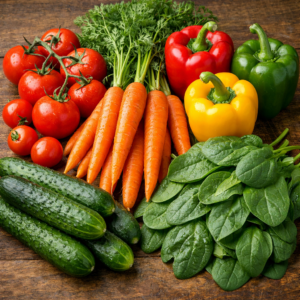
- Tomatoes
- Carrots
- Bell peppers
- Spinach
- Cucumbers
A vegetable-rich diet may help improve skin hydration, brightness, and overall appearance, in a few weeks.
. Your Weight May Become Easier to Manage
Vegetables are naturally low in calories but high in fiber and water. This combination helps you feel full while consuming fewer calories.
When vegetables are included regularly in meals, they can help reduce cravings for highly processed foods and snacks.
For example, adding roasted vegetables to lunch or dinner can increase meal satisfaction while supporting healthy weight management.
Instead of focusing on restrictive dieting, simply increasing vegetable intake can naturally guide your eating habits toward healthier choices.
. Your Brain Benefits Too
The nutrients found in vegetables also support brain health and cognitive function.
Leafy greens contain folate and vitamin K, nutrients associated with brain performance and memory. Antioxidants may also help protect brain cells from age-related decline.
Studies suggest that diets rich in vegetables and plant foods are associated with better mental clarity and long-term brain health.
While vegetables alone cannot replace other healthy habits like sleep and exercise, they play an important role in nourishing the brain.
. Your Body Receives Powerful Disease Protection
One of the most important long-term benefits of eating vegetables daily is protection against chronic diseases.
Vegetables contain compounds known as phytochemicals, which help reduce inflammation and protect cells from damage.
Research has linked regular vegetable consumption to a lower risk of several health conditions, including:
- Heart disease
- Type 2 diabetes
- Certain cancers
- Obesity
Eating vegetables consistently provides your body with the nutrients it needs to maintain balance and protect itself over time.
How to Easily Eat More Vegetables Every Day
Incorporating vegetables into daily meals does not have to be complicated. Small changes can make a big difference.
Here are a few simple ideas:
- Add spinach or kale to morning smoothies
- Roast mixed vegetables with olive oil for dinner
- Include a colorful salad with lunch
- Add vegetables to soups, pasta, or grain bowls
- Snack on carrots, cucumbers, or bell peppers
Cooking methods like roasting, grilling, or sautéing can bring out natural flavors and make vegetables even more enjoyable.
Since you mentioned you enjoy roasting vegetables, this is actually one of the best ways to enhance their natural sweetness and texture.
Eating vegetables every day is one of the simplest and most powerful choices you can make for your health. These natural foods nourish your body with essential vitamins, minerals, fiber, and protective compounds that support nearly every system in your body.
From improved digestion and stronger immunity to healthier skin and better energy, the benefits can be both immediate and long-lasting.
The key is variety. The more colors you add to your plate, the more nutrients your body receives.