Benefits of Cooking Your Own Meals

Preparing Food at Home: A Healthier and More Enjoyable Way to Eat
In today’s fast-paced world, many people rely on restaurant meals, takeout, or highly processed foods for convenience.
While these options may save time, they often come at the expense of our health. Preparing our own food at home is not only enjoyable but also one of the most effective ways to improve our well-being.
By embracing home cooking, we not only take better care of our bodies but also rediscover the timeless joy of nourishing ourselves and the people we love.
Cooking at home allows us to take control of what we eat, choose healthier ingredients, and reconnect with the simple pleasure of preparing a meal. Beyond the physical benefits, home cooking can also support mental well-being, strengthen family bonds, and help us develop a deeper appreciation for food.
Let’s explore why preparing food at home is one of the best habits we can adopt for a healthier and happier life.
Taking Control of What We Eat
One of the greatest advantages of cooking at home is having full control over the ingredients we use. When we prepare our meals ourselves, we can decide exactly what goes into our food.
Many restaurant dishes and packaged meals contain excessive amounts of salt, sugar, unhealthy fats, and artificial additives.
These ingredients are often used to enhance flavor and extend shelf life, but they can negatively affect our health when consumed regularly.
Cooking at home allows us to:
- Reduce excess salt and sugar
- Choose healthier cooking oils
- Avoid artificial preservatives
- Use fresh, natural ingredients
This control makes it much easier to follow a balanced diet and maintain long-term health.
Eating More Fresh and Nutrient-Rich Foods
When people cook at home, they are more likely to use fresh ingredients such as vegetables, fruits, whole grains, legumes, and lean proteins.
Fresh foods are rich in vitamins, minerals, antioxidants, and fiber that support the body in many ways. These nutrients help strengthen the immune system, support heart health, improve digestion, and provide steady energy throughout the day.
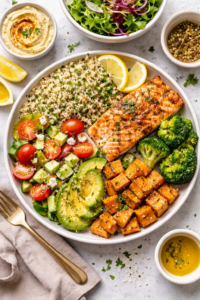
For example, preparing a simple meal with roasted vegetables, brown rice, and grilled chicken or beans can provide a wide range of nutrients without the excess calories and additives found in many processed foods.
Cooking at home also encourages creativity in the kitchen. People often experiment with colorful vegetables, herbs, and spices that not only enhance flavor but also add valuable nutrients to the meal.
Supporting a Healthy Weight
Home cooking can play an important role in maintaining a healthy weight. Restaurant portions are often much larger than what our bodies actually need, and many dishes are prepared with heavy sauces, refined carbohydrates, and unhealthy fats.
When preparing meals at home, we naturally become more mindful of portion sizes and ingredients. This awareness can help prevent overeating and support healthier eating habits.
Additionally, cooking at home makes it easier to incorporate nutrient-dense foods like:
- leafy greens
- whole grains
- legumes
- fresh fruits
- healthy fats such as olive oil and avocado
These foods help us feel full and satisfied while providing essential nutrients.
Reducing Highly Processed Foods
Highly processed foods are often convenient, but they may contain large amounts of sodium, refined sugar, unhealthy fats, and chemical additives. Consuming these foods frequently has been linked to various health concerns, including heart disease, obesity, and metabolic disorders.
Preparing meals at home allows us to minimize our reliance on processed products and focus instead on whole, natural foods.
For example, making a homemade tomato sauce using fresh tomatoes, garlic, olive oil, and herbs is far healthier than using many store-bought sauces that contain added sugars and preservatives.
Similarly, preparing homemade soups, salads, and grain bowls can replace packaged meals that are often high in sodium and low in nutrients.
A Creative and Enjoyable Experience
Cooking can also be a creative and enjoyable activity. For many people, the kitchen becomes a place where they can experiment with flavors, learn new skills, and express their creativity.
Trying new recipes, combining fresh ingredients, and discovering new spices can turn cooking into an exciting daily ritual rather than a chore.
Many cultures around the world celebrate cooking as an art and a form of cultural expression. Preparing meals at home allows us to explore traditional recipes, seasonal ingredients, and new culinary techniques.
Over time, cooking becomes easier and more intuitive. Even simple meals can feel satisfying when we know they were prepared with care.
Strengthening Family and Social Connections
Food has always been a powerful way to bring people together. Cooking and sharing meals at home can strengthen family bonds and create meaningful moments with loved ones.
When families cook together, children can learn valuable life skills and develop healthier eating habits. They also become more familiar with different foods and may be more willing to try vegetables and new ingredients.
Shared meals encourage conversation and connection, helping families slow down and enjoy time together away from screens and busy schedules.
Even for individuals who live alone, preparing a home-cooked meal can feel comforting and rewarding. It creates a moment of self-care and mindfulness in the middle of a busy day.
Saving Money While Eating Better
Another benefit of cooking at home is that it can be much more affordable than eating out regularly. Restaurant meals and food delivery services can quickly become expensive, especially when used frequently.
Buying basic ingredients and preparing meals at home often costs significantly less per serving.
Simple staples like:
- rice
- beans
- lentils
- vegetables
- eggs
- whole grains
can be used to create a wide variety of nutritious meals at a fraction of the cost of restaurant food.
Planning meals in advance and using leftovers creatively can further reduce food waste and help families stay within their budgets.
Encouraging Mindful Eating
Preparing food ourselves also encourages a deeper connection with what we eat. When we wash vegetables, chop ingredients, and cook a meal from scratch, we become more aware of the effort and care that goes into each dish.
This process naturally promotes mindful eating.
Instead of rushing through meals or eating while distracted, home-cooked meals invite us to slow down and enjoy the flavors, textures, and aromas of the food.
Mindful eating can improve digestion, increase satisfaction after meals, and help prevent overeating.
Developing Lifelong Healthy Habits
Cooking at home is a habit that can positively influence many areas of life. Over time, people who regularly prepare their own meals often develop healthier eating patterns and a greater understanding of nutrition.
Children who grow up in households where home cooking is common are more likely to carry those habits into adulthood.
Learning basic cooking skills also increases independence and confidence. Knowing how to prepare simple, healthy meals ensures that we always have the ability to nourish ourselves properly.
Even small steps—such as cooking a few meals at home each week—can make a meaningful difference in long-term health.
Simple Ways to Start Cooking at Home
For people who are new to cooking, the idea of preparing meals every day may feel overwhelming. However, starting with small, simple steps can make the process much easier.
Here are a few helpful strategies:
Start with simple recipes.
Choose meals with a few ingredients and easy preparation methods.
Cook in batches.
Prepare larger portions that can be enjoyed over several meals.
Keep healthy staples on hand.
Stock your kitchen with ingredients like whole grains, canned beans, olive oil, garlic, onions, and frozen vegetables.
Use fresh herbs and spices.
They can transform simple dishes into flavorful meals.
Experiment and have fun.
Cooking does not have to be perfect—learning through experience is part of the process.
The Joy of Homemade Food
Perhaps one of the most rewarding aspects of home cooking is the sense of satisfaction it brings. There is something deeply comforting about preparing a meal from fresh ingredients and sharing it with others.
The aromas filling the kitchen, the colors of fresh vegetables, and the flavors of a well-prepared dish create a sensory experience that goes far beyond simply eating.
Food prepared at home carries a sense of care, intention, and nourishment that cannot easily be replicated by packaged meals or fast food.
A Healthier Future Begins in the Kitchen
Preparing our own food at home is one of the simplest yet most powerful steps we can take to improve our health and quality of life. It allows us to choose nutritious ingredients, reduce processed foods, and create meals that truly nourish our bodies.
At the same time, cooking can bring joy, creativity, and connection into our daily routines.
In a world where convenience often dominates our food choices, returning to the kitchen and preparing meals ourselves is a meaningful way to reconnect with healthier habits and the simple pleasures of good food.